SEO, GEO and AI-Driven SEO: how to grow your hotel's organic visibility
In recent months, the way travellers search for hotels online has been changing rapidly. More and more users are no longer typing simple keywords into a search engine; instead, they ask detailed questions to ChatGPT, Gemini or Perplexity, or they remain within Google's search results page by reading an AI-generated summary before even scrolling through the traditional links. The hotel may still receive a booking, but the way it has been discovered, evaluated and chosen now involves a new intermediary: a system that reads, summarises and decides what to show.
What is really changing in search?
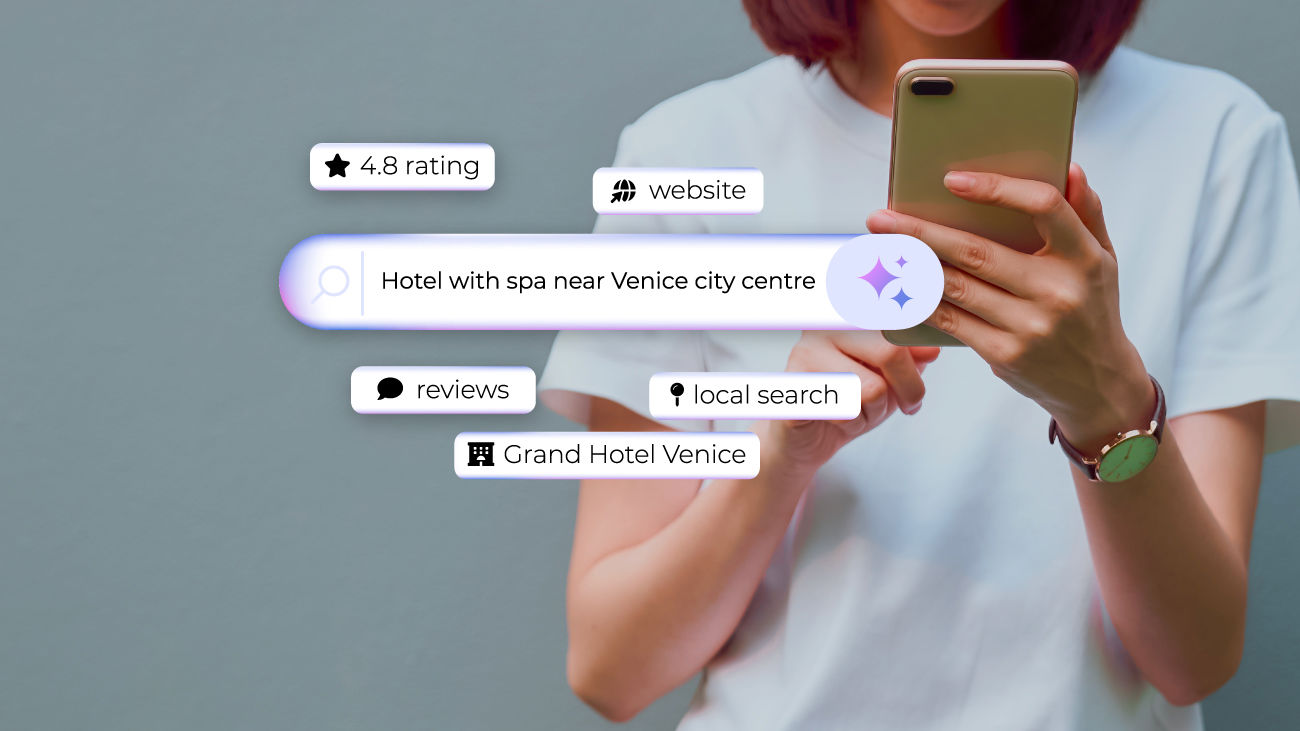
Google has integrated AI-generated responses directly into its search results through AI Overview, alongside AI Mode, a new search experience that allows users to interact conversationally with the assistant instead of relying on the traditional list of links. At the same time, the number of travellers using conversational AI tools to plan their stay continues to grow month after month. According to Google's latest data, a significant proportion of users—particularly those aged between 18 and 44—have already used this type of search at least once. The questions asked to these systems are very different from traditional keywords: they are conversational, highly specific and often already rich in context (for example, "a hotel within walking distance of the historic centre with a spa and breakfast included", rather than simply "hotel Rome"). Anyone creating content for the web now needs to optimise for two audiences at once: the person reading the content and the AI system that processes it before generating an answer.
Being mentioned is not the same as being indexed
GEO does not replace SEO; it builds upon it by adding a layer that traditional SEO alone cannot achieve. Traditional SEO is designed to help a webpage rank at the top of search results. Artificial intelligence systems, on the other hand, select only a handful of information fragments to compose a conversational answer, citing only the sources they consider the most reliable and relevant. This means that visibility no longer depends solely on keywords, but also on additional factors that generative search engines evaluate together: the context in which information appears, the semantic consistency across a brand's pages and digital channels, and its perceived authority, which is built not only on the website itself but also through reviews, external mentions and visibility across industry platforms. A technically robust website remains the essential foundation, but it is no longer enough on its own. Site architecture, content hierarchy and structured data have become the language that enables AI systems to understand, without ambiguity, what a hotel offers and who it is intended for.
From SEO to GEO
Turning this shift into practical action means working on multiple fronts simultaneously rather than treating them as separate projects. The first area concerns the content already published on the website. The starting point is a GEO-focused copy review (Generative Engine Optimisation), which goes beyond simply inserting keywords to create complete, self-contained sentences capable of answering a question even when extracted from their original context. This optimisation also includes FAQs, built around the real questions a guest might ask an AI assistant, as well as AI-assisted translations, which help extend a hotel's visibility into international markets where it may previously have struggled to gain exposure. The second area focuses on the website's technical structure rather than the words it contains. This includes structured data markup, enabling AI systems to accurately interpret information such as opening hours, services, rates and property features, a clear and logical content hierarchy, and optimisation of website performance across desktop and, above all, mobile devices, where the majority of travel-related searches now take place.
Building visibility beyond your website
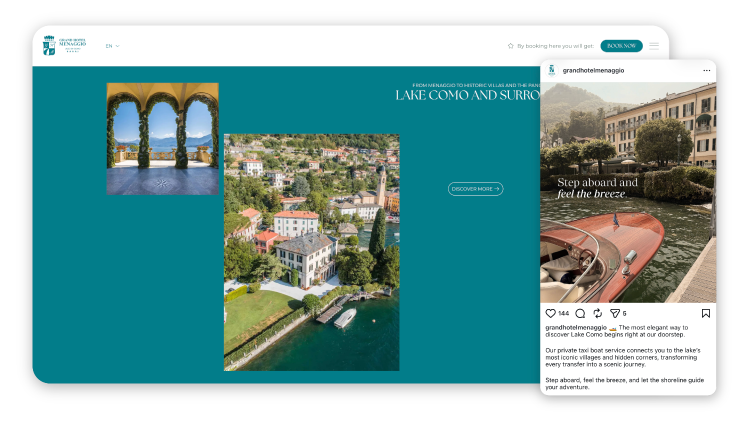
Alongside these two areas are another two that are less focused on the website itself and more on the brand's overall online presence. The first is the development of an ongoing editorial strategy, including regularly updated blog content and email marketing campaigns to keep information fresh and create new opportunities to be discovered by both traditional search engines and AI-powered search platforms. The second focuses on building external authority, much of which is established beyond the website itself. This includes collecting recent guest reviews, earning mentions on leading hospitality industry platforms, maintaining a consistent and well-structured social media presence aligned with all other digital touchpoints, and developing high-quality backlinks from trusted and authoritative sources.
Why now is the right time to act
Traffic generated by AI-powered search engines still represents a relatively small share of overall organic traffic. However, the direction of travel is clear: several industry studies suggest that a growing proportion of informational searches will shift towards conversational interfaces over the coming months, while most travellers already say they are willing to use artificial intelligence to plan their next stay. Hotels that start investing in this area today are not simply following a passing trend—they are building a competitive advantage for the years ahead. For those that wait until this transformation is fully established, catching up is likely to become significantly more challenging.
Discover more following the tags: